
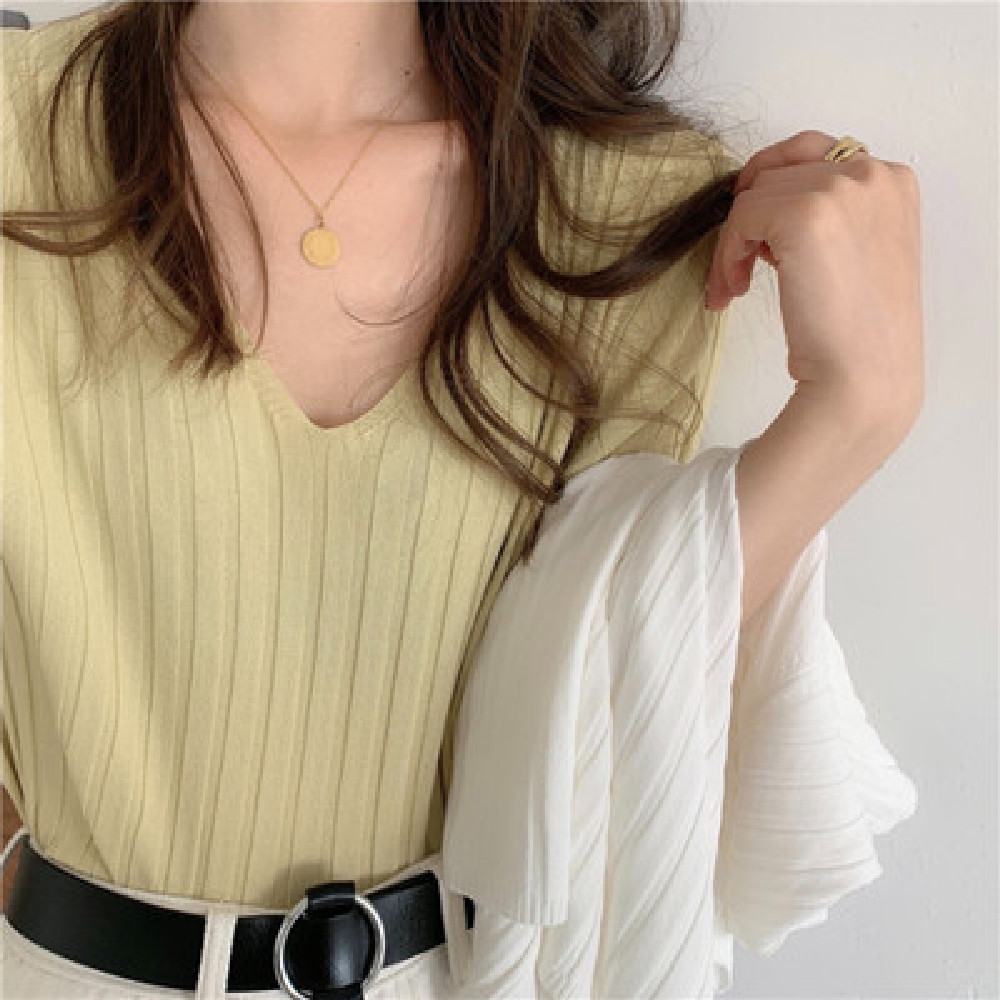
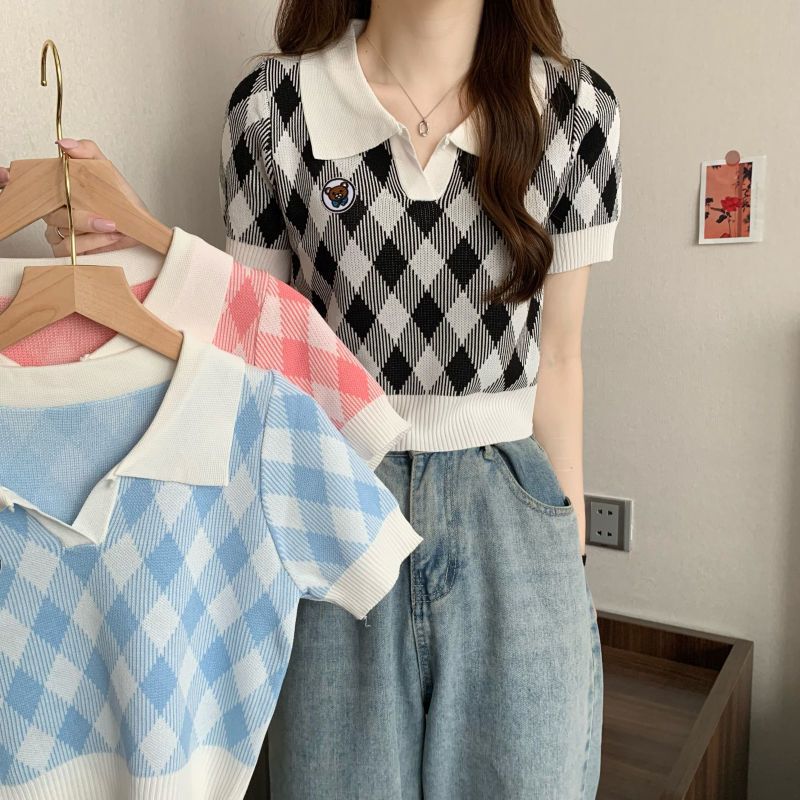
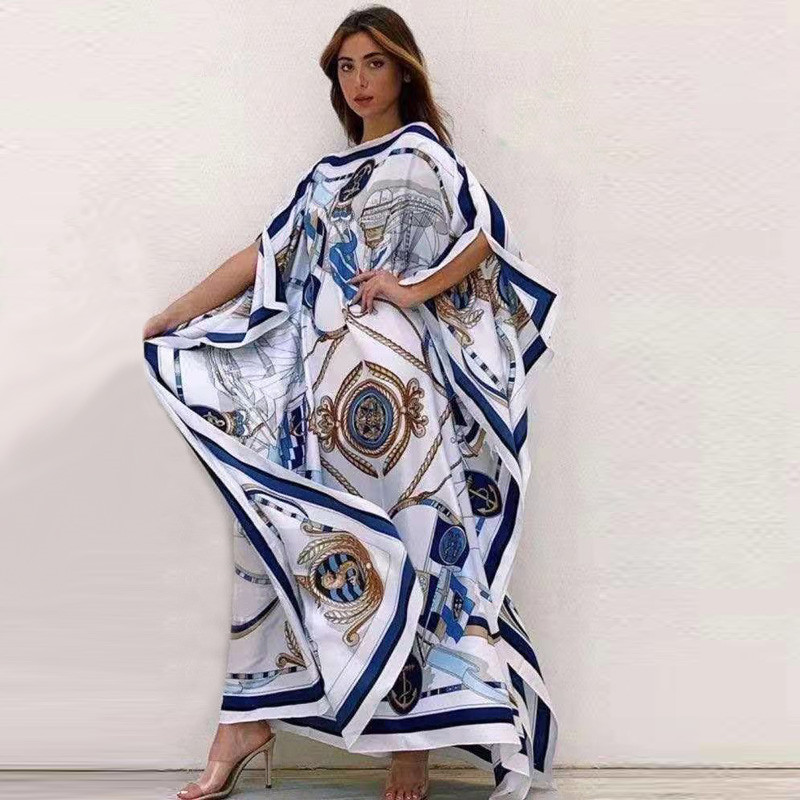
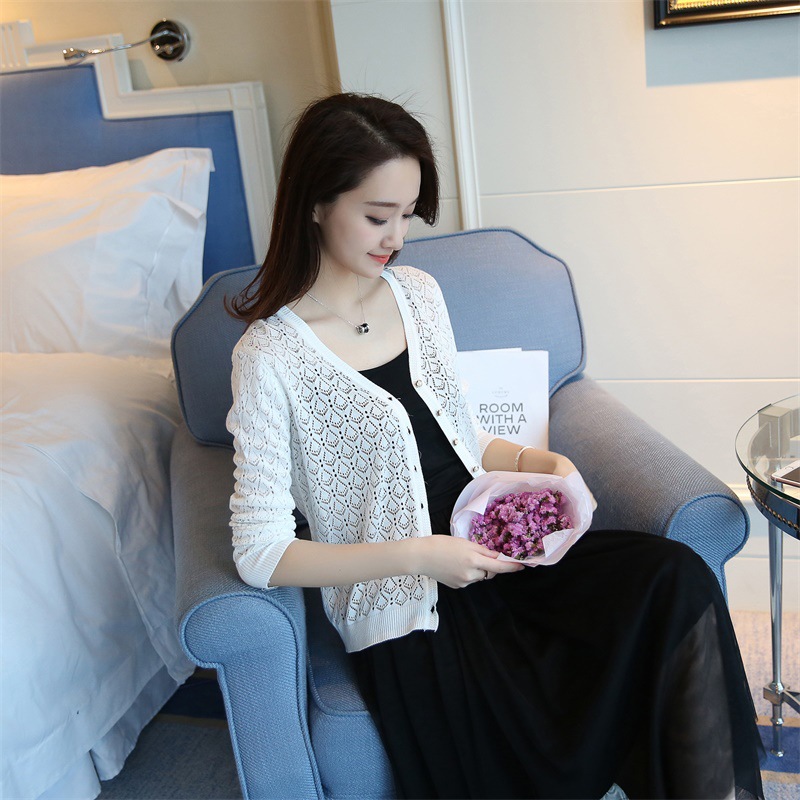
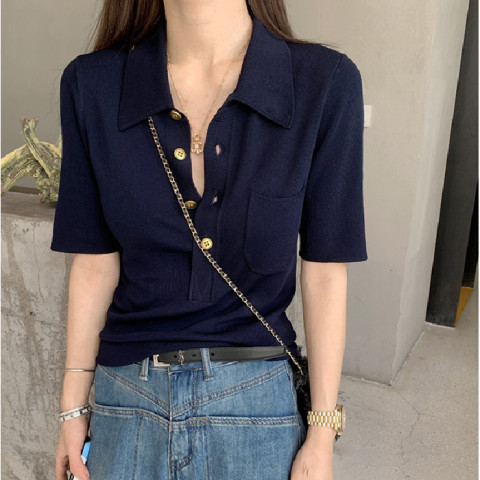
Sobre esta coleção
There is something undeniably magical about silk. For centuries, this luminous fibre has been synonymous with luxury, elegance, and refinement. But silk is no longer reserved for evening gowns and scarves alone. Today, silk knitwear is taking the fashion world by storm, offering women the perfect blend of opulence and everyday wearability.
At TrendyKool, we believe that every woman deserves to experience the sheer pleasure of silk against her skin. This comprehensive guide explores everything you need to know about women‘s silk knitwear, from its unique properties and benefits to care instructions, styling tips, and answers to the most frequently asked questions.
What Is Silk Knitwear?
Silk knitwear is clothing made from yarn spun from the protein fibres produced by silkworms. Unlike woven silk—which is stiff, structured, and prone to wrinkling—knitted silk is flexible, elastic, and drapes beautifully over the body.
The knitting process creates interlocking loops of silk yarn, resulting in a fabric that is soft, smooth, and incredibly comfortable to wear. Silk knitted fabrics are lightweight, breathable, and have a natural lustre that catches the light in the most flattering way.
What Is Silk Knit Fabric?
Silk knit fabric is exactly what it sounds like—silk yarn that has been knitted rather than woven. The result is a fabric that retains all the luxurious qualities of silk—sheen, softness, and temperature regulation—while gaining the stretch, flexibility, and comfort that only knitting can provide.
Knitted silk fabrics are flexible and elastic, have a higher resilience, and are soft and stretching. This makes them ideal for garments that need to move with the body, from fitted tops to flowing cardigans.
Key Properties of Silk Knitwear
1. Exceptional Temperature Regulation
Silk is a natural temperature regulator. It keeps you cool in warm weather and provides a gentle warmth in cooler conditions. This remarkable ability comes from silk‘s unique fibre structure, which allows air to circulate while trapping just enough heat to keep you comfortable.
2. Moisture-Wicking Power
Silk can absorb up to 30% of its weight in moisture while still feeling dry against your skin. This makes it exceptionally comfortable for year-round wear, especially during warmer months when you want to stay fresh and dry.
3. Natural Sheen and Lustre
One of silk’s most celebrated qualities is its beautiful, luminous sheen. Under the right light, silk knitwear appears to glow or shimmer, adding a touch of effortless glamour to any outfit.
4. Incredible Strength
Despite its delicate appearance, silk is one of the strongest natural fibres. It was even used for parachutes during World War II! This strength means that well-cared-for silk knitwear can last for many years.
5. Beautiful Drape
Silk fibres have very little memory but lots of drape. This means silk knitwear flows and moves with the body, creating elegant, flattering silhouettes that feel as good as they look.
6. Light as a Feather
Silk knit fabric is light as a feather yet strong as steel. This lightweight quality makes silk knitwear perfect for layering without adding bulk.
7. Hypoallergenic and Gentle on Skin
Silk is naturally hypoallergenic and gentle on sensitive skin. Its smooth surface reduces friction, making it an excellent choice for women with skin sensitivities or allergies.
Mulberry Silk vs. 100% Silk: What‘s the Difference?
This is one of the most common questions women ask when shopping for silk knitwear.
Mulberry silk is produced by the Bombyx mori silkworm, which feeds exclusively on mulberry leaves. This diet produces silk that is shinier, finer, and has a more regular structure than other types of silk. Mulberry silk is widely considered the highest-quality silk available.
”100% silk“ can refer to any silk, including wild silks like Tussah, which are produced by silkworms that feed on different leaves. These silks have different textures, colours, and properties.
The key difference: All mulberry silk is 100% silk, but not all 100% silk is mulberry silk. When you see ”mulberry silk“ on a label, you can be confident you‘re getting the finest, most consistent quality available.
Is Silk Warmer Than Cashmere?
This is a question many women ask when choosing between these two luxurious fibres.
Cashmere provides more warmth than silk. Cashmere’s unique structure—with irregular curls that create gaps between fibres—traps heat and provides superior insulation against the cold. Cashmere is even warmer than wool.
However, silk excels at year-round comfort. While it may not match cashmere‘s extreme warmth, silk’s natural thermoregulatory properties make it suitable for both cold and warm seasons. Silk keeps you cool in summer and comfortably warm in winter.
The verdict: Choose cashmere for maximum warmth in deep winter. Choose silk for versatile, year-round wear that transitions seamlessly between seasons.
Can You Knit With Silk?
Absolutely! Silk is a wonderful fibre for knitting, especially for spring and summer garments.
However, knitting with silk does require some special considerations:
Tips for Knitting With Silk
Choose the right needles: Silk is a slippery fibre. If you‘re a loose knitter or struggle to keep stitches on your needles, opt for wooden or bamboo needles for better grip.
Adjust your tension: Silk has very little elasticity, so uneven tension will show in your finished fabric. Practice maintaining consistent tension throughout your project.
Watch for splitting: Silk yarn can be prone to splitting. Avoid sharp needles and be careful when inserting your needle into stitches.
Swatch first: Always knit a swatch and block it before starting your project to check your gauge and see how the silk behaves.
Handle with care when blocking: Silk weakens when wet. For 100% silk yarns, it‘s often recommended to spray or steam block rather than wet block to avoid damaging the fibres.
Advantages of Silk Knitwear
Advantage | Why It Matters |
|---|---|
Temperature regulation | Keeps you cool in summer, warm in winter |
Moisture-wicking | Absorbs moisture while feeling dry |
Natural lustre | Adds effortless glamour to any outfit |
Strength and durability | Lasts for years with proper care |
Beautiful drape | Flows and moves with your body |
Lightweight | Perfect for layering without bulk |
Hypoallergenic | Gentle on sensitive skin |
Biodegradable | Environmentally friendly at end of life |
Disadvantages of Silk Fabric
While silk is a truly remarkable fibre, it does have some drawbacks:
1. Cost
Silk is expensive to produce. The labour-intensive process of harvesting and processing silk fibres means that quality silk knitwear comes with a higher price tag.
2. Delicate Care Requirements
Silk requires special care when washing. It is sensitive to heat, harsh detergents, and excessive agitation.
3. Sensitivity to Sunlight
Prolonged exposure to direct sunlight can weaken silk fibres and cause fading.
4. Environmental Concerns
Silk production has a high carbon footprint due to energy, water, and chemical use. However, many brands are now adopting more sustainable practices.
5. Ethical Considerations
Traditional silk production involves boiling silkworm cocoons before the moths hatch. However, cruelty-free silk (also called ”peace silk“) is available, where moths are allowed to complete their life cycle before the cocoons are harvested.
How to Care for Your Silk Knitwear
Proper care is essential to keep your silk knitwear looking beautiful for years. Follow these guidelines:
Washing
Hand wash is best: Use cold water (around 20°C).
Use silk-specific detergent: Choose a neutral detergent or one specifically formulated for silk and delicates.
Turn inside out: Wash the garment inside out to protect the outer surface.
Do not soak: Avoid prolonged soaking—just a few minutes is sufficient.
Gently squeeze: Never rub or wring the garment.
Machine wash with caution: If using a machine, select the delicate or hand-wash cycle with cold water.
Drying
Do not wring: Gently press out excess water—never twist or wring.
Dry flat: Lay the garment flat on a towel in the shade.
Never tumble dry: Heat will damage silk fibres.
Avoid direct sunlight: Sunlight can cause fading and weaken fibres.
Ironing and Steaming
Steam gently: Steaming is the safest way to remove wrinkles from silk.
Cool iron: If ironing is necessary, use a cool iron on the reverse side.
Use a pressing cloth: Always place a cloth between the iron and the silk.
Storage
Fold, don‘t hang: Hanging can stretch silk knitwear over time.
Store in a cool, dry place: Avoid damp areas.
Protect from moths: Use cedar balls or lavender sachets.
Types of Silk Used in Knitwear
1. Mulberry Silk
The highest quality silk, produced by silkworms fed exclusively on mulberry leaves. It is fine, uniform, and has a beautiful lustre.
2. Tussah Silk
A wild silk with a more textured, nubbly appearance. It has a natural beige colour and is less lustrous than mulberry silk.
3. Eri Silk
Also known as ”peace silk,“ this is produced without killing the silkworm. The moth is allowed to hatch before the cocoon is harvested.
4. Blended Silk
Silk is often blended with cotton, cashmere, viscose, or polyamide to improve durability, reduce cost, or enhance specific properties.
Styling Women‘s Silk Knitwear
Silk knitwear is incredibly versatile. Here are some stylish ways to wear it:
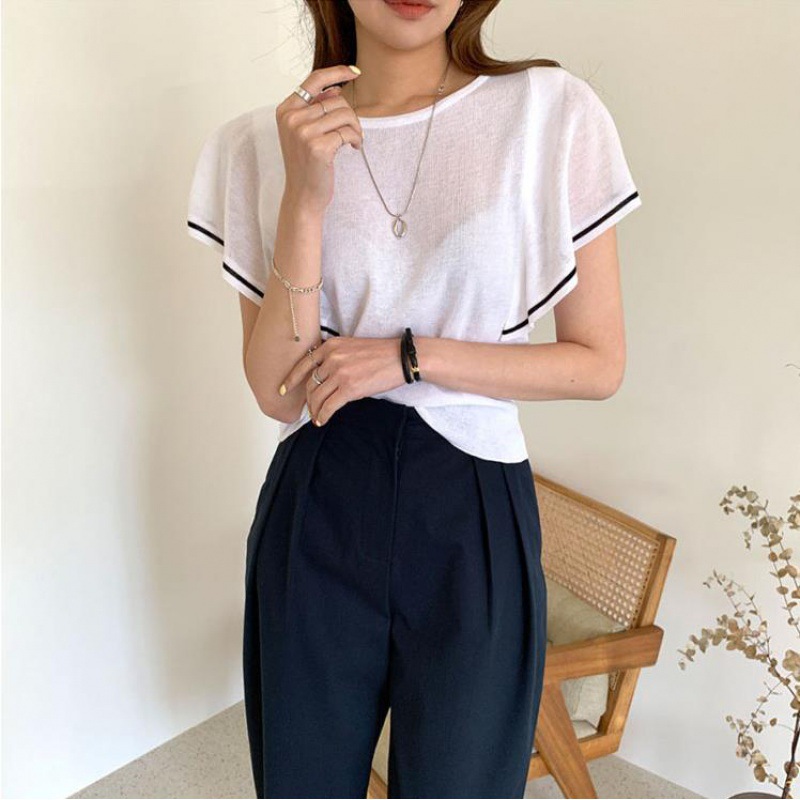
With tailored trousers: A silk knit top adds instant polish to office wear.
Layered under a blazer: The sheen of silk peeking out from under a blazer creates a sophisticated look.
With flowing silk pants: An open-knit silk sweater over fluid silk pants creates an elevated evening look.
Tucked into a maxi skirt: A fine-gauge silk knit tucked into a flowing skirt is effortlessly elegant.
As a standalone piece: A beautifully textured silk knit sweater makes a statement all on its own.
Silk Knitwear FAQs
Can you knit with silk?
Yes! Silk is a wonderful fibre for knitting, especially for spring and summer garments. However, it requires special considerations due to its slipperiness and lack of elasticity.
Is silk warmer than cashmere?
No. Cashmere provides more warmth than silk. However, silk is a superb year-round fabric that keeps you comfortable in both warm and cool weather.
What are the disadvantages of silk fabric?
Silk is expensive, requires delicate care, can be damaged by sunlight, and traditional production has environmental and ethical concerns.
What is silk knit fabric?
Silk knit fabric is silk yarn that has been knitted rather than woven. It is soft, smooth, elastic, and ideal for lightweight, comfortable garments.
Are silk knits warm?
Yes! While not as warm as cashmere, silk knits provide excellent insulation and are comfortable in both warm and cool weather.
Can you knit with only mulberry silk?
Absolutely. Mulberry silk yarn is available from many brands and is prized for its fine, uniform quality and beautiful lustre.
Is 100% mulberry silk the same as 100% silk?
Not exactly. All mulberry silk is 100% silk, but not all 100% silk is mulberry silk. Mulberry silk is the highest quality silk, produced by silkworms fed exclusively on mulberry leaves.
Which is the warmest fabric in the world?
Cashmere is among the warmest natural fibres, providing superior insulation and being even warmer than wool. Some sources also rank yak hair and silk among the best for thermal insulation.
Is 100% silk worth it?
For women who value luxury, comfort, and timeless style, 100% silk is absolutely worth the investment. Its durability, temperature regulation, and beautiful drape make it a wardrobe staple that can last for years.
Why can’t Muslims wear silk?
In Islam, men are prohibited from wearing silk (and gold) according to Hadith. However, women are permitted to wear silk. The prohibition applies specifically to men.
What is the unhealthiest fabric to wear?
Synthetic fabrics like polyester and acrylic are often considered less healthy because they trap heat, don‘t breathe, and can release microplastics. Natural fibres like silk, cotton, and wool are generally better for your skin.
Why is silk controversial?
Silk production is controversial for two main reasons: animal welfare (traditional production involves boiling silkworms alive) and environmental impact (high energy, water, and chemical use). However, cruelty-free and sustainable silk options are increasingly available.
What is silky knit?
”Silky knit“ generally refers to knitted fabrics that have a smooth, lustrous finish similar to silk. This can include silk-blend knits or synthetic knits designed to mimic silk‘s appearance and feel.
What country has the best silk fabric?
China is the world’s leading silk producer, commanding 70-80% of global production. Italy is renowned for its luxury silk textiles. India is the second-largest producer, and Vietnamese mulberry silk is also highly valued.
What are the four types of silk fabric?
The four main types are Mulberry, Tussah, Eri, and Muga silk. Each comes from a different species of silkworm and has unique properties.
Is silk too hot to wear in summer?
No! Silk is actually excellent for summer wear. Its moisture-wicking properties and breathability keep you cool and dry.
What fabric is better than silk?
”Better“ depends on your needs. Cashmere is warmer. Cotton is easier to care for. Linen is cooler in extreme heat. Silk excels at versatility, drape, and luxury.
What are the downsides of wearing silk clothing?
Silk clothing can be expensive, requires delicate care, may be damaged by sweat or deodorant, and can be slippery in knit form.
What are the disadvantages of mulberry silk?
Mulberry silk is expensive, requires careful maintenance, and traditional production raises ethical concerns.
Is it hard to knit with silk?
Knitting with silk can be challenging due to its slipperiness and lack of elasticity. However, with the right needles (wood or bamboo) and consistent tension, it is absolutely achievable.
Which is better, mulberry silk or silk?
Mulberry silk is widely considered the best quality silk due to its uniform threads, fine texture, and beautiful lustre.
Can bed bugs live on silk sheets?
Bed bugs can live on any fabric, but silk‘s smooth surface makes it harder for them to grip and hide compared to rougher fabrics.
What does 22 momme mean?
Momme (mm) is a unit used to measure the weight and quality of silk fabric. 22 momme indicates a heavy, high-quality silk that is durable and luxurious.
What happens if I put mulberry silk in the dryer?
Never put silk in the dryer! Heat will shrink, weaken, and damage silk fibres. Always air dry flat in the shade.
What is the coolest fabric to wear in hot climates?
Linen and silk are among the coolest fabrics. Both are highly breathable and moisture-wicking.
What is the warmest sweater?
Cashmere sweaters are among the warmest, providing superior insulation while remaining lightweight.
Is merino wool warmer than cashmere?
No. Cashmere is warmer than merino wool. Cashmere provides excellent thermal insulation and is 8 times warmer than regular sheep wool.
What are the downsides of merino wool?
Merino wool can be expensive, requires delicate care, and some people find it itchy despite its softness. It is also less warm than cashmere.
What type of wool is best for extreme cold weather?
Cashmere and yak wool are excellent choices for extreme cold. Both provide superior insulation while remaining lightweight.
What is more luxurious than cashmere?
Vicuña wool—from the vicuña, a South American camelid—is considered the most luxurious and expensive fibre in the world. Baby camel hair and qiviut (musk ox underwool) are also considered more exclusive than cashmere.
Why Choose TrendyKool for Silk Knitwear?
At TrendyKool, we curate a collection of women‘s silk knitwear that combines luxury, comfort, and timeless style. Our pieces are designed to become cherished staples in your wardrobe—garments that you’ll reach for season after season.
We believe in:
Natural, high-quality fibres that feel incredible against your skin
Timeless designs that transcend seasonal trends
Ethical sourcing and sustainable practices
Exceptional craftsmanship that ensures durability
Final Thoughts
Silk knitwear is the ultimate expression of luxury meets practicality. Its unique combination of temperature regulation, moisture-wicking, natural lustre, and beautiful drape makes it a wardrobe essential for the modern woman who refuses to compromise on comfort or style.
Whether you‘re layering a silk knit top under a blazer for the office, slipping into a silk knit sweater for a weekend brunch, or travelling with a silk knit cardigan that packs beautifully, you’re investing in pieces that will serve you for years to come.
Explore the latest women‘s silk knitwear collection at TrendyKool.com and discover the luxury of silk—reimagined for modern living.